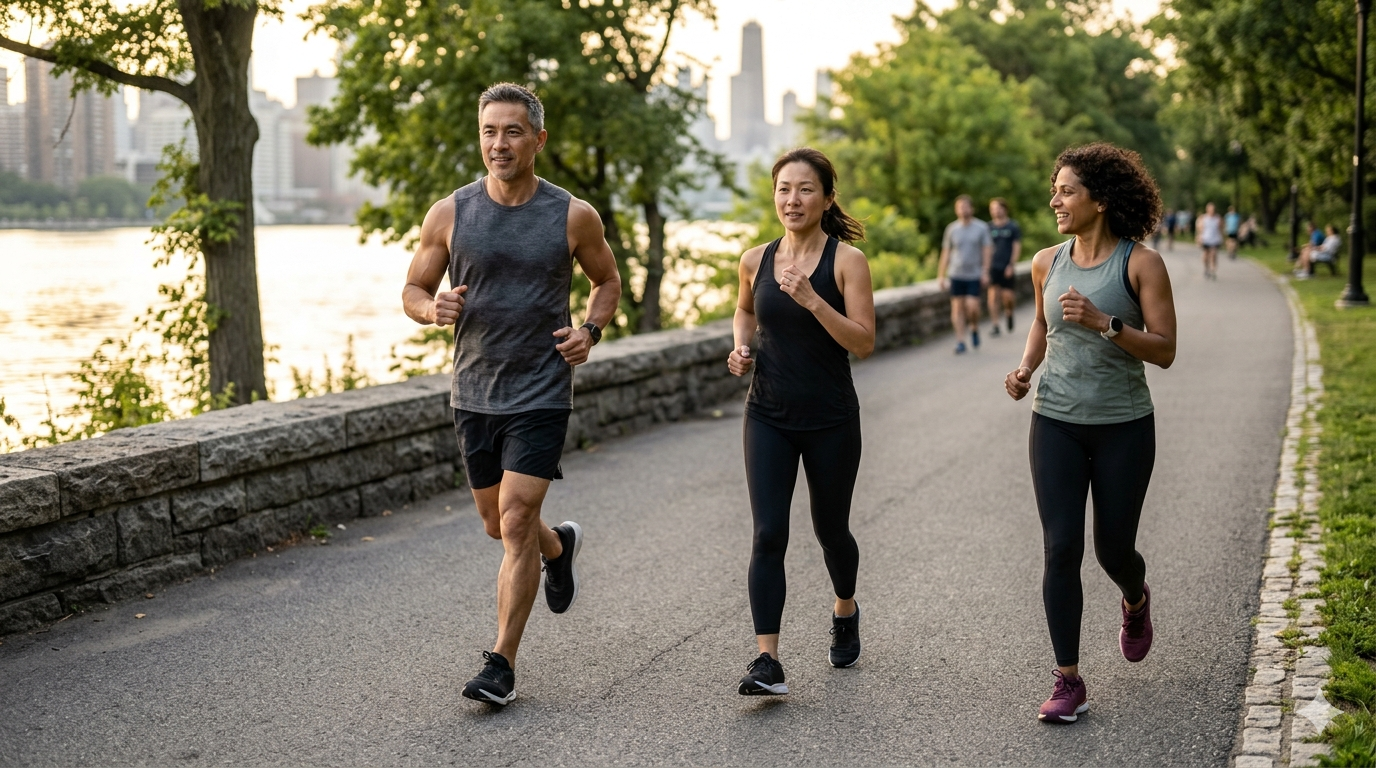
未來多活幾年,仍要有體力把日子過成自己喜歡的樣子。
開始規劃退休時,旅行、行山與陪伴家人的時間,往往比一個抽象的壽命數字更具吸引力。長壽科學承諾處理衰老的根源,但對踏入50歲的人而言,眼前已有另一個迫切問題:怎樣把心肺、肌力和活動能力保留下來,讓未來的自由仍然用得上?
基因編輯、人工智能、細胞重編程與再生醫學正在改變研究的可能性。判斷這些進展的價值,需要沿着證據往前看:研究是在培養皿、小鼠,還是人體進行;改善的是分子指標、某個器官,還是日常生活;效果能維持多久,又付出甚麼代價。這幾個分別,決定了「有前景」與「已證實有效」之間的距離。
健康壽命,關乎仍能做甚麼
壽命(lifespan)指存活年數;健康壽命(healthspan)關注其中健康狀況與功能較佳的年數。不同研究對「健康」的界定有所不同,但健康壽命始終是總壽命的一部分,不可能超過總壽命。長壽研究希望增加有質素的生活年數,並減少疾病、失能與依賴照顧佔據的時間。
世界衞生組織對健康老化的定義,着重維持讓人享有福祉的功能能力。完全沒有疾病並非必要條件;慢性病控制良好的人,也可以保持行動、學習、建立關係和參與社會的能力。這個框架把身體狀況與生活環境放在一起考慮。
因此,長壽科學的成果也應接受生活的檢驗:能否自行外出、提着購物袋上樓、從椅子站起,或在旅行時應付較長的步行。這些能力與終身體能訓練的退休生活目標直接相連,亦比單一「逆齡」數字更容易理解。
衰老涉及多個相互牽動的系統
《Cell》的衰老特徵綜述提出12項相互連動的特徵,涵蓋基因組不穩定、端粒耗損、表觀遺傳改變、蛋白質穩態失調、自噬功能受損,以及營養感應、粒線體、細胞衰老、幹細胞、細胞溝通、慢性炎症和微生物群的變化。
這個框架提供研究方向,卻沒有把衰老簡化成一個可以直接關掉的開關。表觀遺傳涉及基因如何被使用;端粒與染色體末端的維持有關;細胞衰老則是細胞進入持續停止分裂等狀態。它們彼此影響,與整個人的體能、疾病和器官功能亦有不同層次的關係。
從這些相互連動的特徵推論,改善其中一個機制,仍需要另外證明能否帶來整體獲益。「針對衰老根源」可以是合理的研究假設,不能單靠這句描述判定一項療程已有效。
生物年齡檢測,能量度到多少衰老
生物年齡通常由血液、DNA甲基化或其他資料,經模型估算而來。不同模型捕捉的面向並不相同,有些估算年齡,有些反映老化速度。它們有研究用途,但一個較年輕的結果,不能直接換算成多活多少年。
CALERIE試驗的後續生物年齡分析提供了具體例子。原試驗把220名非肥胖成人分配至熱量限制或自由飲食組,持續兩年;甲基化分析有197人的資料。熱量限制使DunedinPACE反映的老化速度平均減慢約2–3%,但PhenoAge與GrimAge沒有顯著組間差異。
同一項干預,在不同指標上得出不同結果。研究沒有據此證明參加者活得更久;作者亦指出,需要長期追蹤疾病與死亡結果。這個發現支持繼續研究,尚不足以把節食寫成人人適用的延壽處方。
報告顯示的變化
某一個模型估算的年齡或老化速度下降。結果需要連同檢測方法、量度誤差及研究設計解讀。
仍待證明的獲益
疾病是否減少、功能是否保持、生活質素是否改善,以及效果與風險能否經得起長期追蹤。
基因、重編程與AI,各自走到哪一步
基因編輯已有臨床成果,適應症仍須分開看
CRISPR可以對特定DNA位置進行編輯,已有具體疾病治療成果。美國FDA批准的Casgevy,利用CRISPR/Cas9改造病人的造血幹細胞,用於符合條件的鐮刀型細胞病患者。
這項進展證明基因編輯可以成為治療工具,但批准用途、受治療的細胞及病人的風險背景都有明確範圍。治療一種遺傳病的成果,不能直接推廣為健康成年人延壽的證據。以「基因技術」作為共同標籤,容易掩蓋不同療法之間的差異。
個人化醫學也需要把資料轉成可用的決策。基因風險與生物年齡結果,須連同病史、用藥、活動能力和個人目標解讀;更詳盡的報告,並不代表已有更有效的延壽介入。從收集資料到改善健康,仍有需要驗證的環節。
細胞重編程開始進入早期人體研究
細胞重編程着眼於改變基因表達與細胞狀態,與直接編輯DNA序列的目標有所不同。2020年的小鼠眼部研究利用OCT4、SOX2及KLF4,即OSK因子,改善視網膜神經節細胞的部分表觀遺傳特徵,並在特定小鼠模型改善視功能。這是局部組織的實驗,沒有證明人類全身衰老被逆轉。
人體研究也已有初步進展。Life Biosciences於2026年10月公布ER-100一期試驗的中期資料:首批3名開角型青光眼患者接受眼內治療後,觀察至第56天;公司報告未見嚴重不良事件,2人的視野測試出現改善訊號。
資料來自開發商公告,試驗屬開放標籤,主要評估安全性與耐受性。3人的短期觀察,仍不能確立療效或長期安全,更不能外推至健康人的全身逆齡。這項進展值得追蹤,意義是研究走進人體,而非延壽已獲證實。
AI改善候選藥物篩選,人體驗證仍然必要
一項機器學習篩選衰老細胞清除劑的研究,用已發表資料訓練模型,再於人類細胞株驗證3種候選化合物的作用。這類工作展示AI可以協助選出較值得實驗的候選物,減少早期篩選所需的資源。
人類細胞株仍屬實驗室模型。在培養皿中選擇性清除衰老細胞,並未回答藥物如何分布到人體組織、甚麼劑量可接受,或是否改善長期健康。AI加快了尋找候選物的流程,後續的臨床問題仍需要人體研究解答。
清除衰老細胞與再生醫學,不能共用一張成效證明
衰老細胞清除劑的人體結果並不一致
衰老細胞清除劑(senolytics)嘗試選擇性移除衰老細胞,但動物結果未必在人類重現。一項60名停經後女性參與的二期隨機試驗,測試間歇使用dasatinib與quercetin的組合。20週時,主要終點——骨吸收指標CTx的變化——沒有顯著組間差異。
研究在部分次要及探索性分析見到訊號,但不能取代整體主要結果,也沒有證明骨折減少或壽命延長。這種落差提醒了長壽研究的難度:一個在細胞與小鼠中合理的機制,仍可能需要更準確選擇人群、劑量和治療目標。試驗用藥亦不能當作日常保健方案照搬。
修補特定組織,與全身延壽是不同研究目標
再生醫學包括細胞治療、組織工程等方向,目標可以是修補受損組織或恢復特定功能。造血幹細胞在部分血液疾病已有醫療用途;這類成果需要與商業宣稱的「全身更新」分開評估。細胞來源、處理方式、移植部位與適應症不同,成效和風險亦不能互相代用。
香港藥物辦公室的先進療法製品資料指出,這類以基因、細胞或組織為主的醫療製品受藥劑製品規管,未經確認的產品可能涉及感染、免疫排斥及癌症等風險。判斷一項「抗衰老」療程,要看具體產品、使用目的及臨床證據;海外有相近技術獲批,也不能自動證明眼前療程適合健康人。
維持行動能力,已有可用的人體證據
與新技術並行的,是較成熟的運動研究。LIFE隨機試驗納入1,635名70–89歲、久坐且身體功能受限,但開始時仍能步行400米的人。研究比較有組織的帶氧、阻力及柔韌訓練,與健康教育課程,平均追蹤2.6年。
運動組有30.1%出現主要行動障礙,健康教育組為35.5%,絕對差距5.4個百分點;危險比(HR)為0.82,95%信賴區間0.69–0.98。主要行動障礙按失去步行400米的能力界定。研究顯示,這套活動安排有助這批高風險長者維持步行功能,並非證明所有50歲人士都會得到相同比例的改善,也不是延壽試驗。
這個結果的實際價值,在於直接量度到生活功能。運動是否有用,不必完全依賴分子指標或「看起來年輕」的感覺。中年開始累積體能的意義,可放在心肺、肌力與長壽訓練的證據一起理解;至於每個人最後能活多久,仍涉及許多運動以外的因素。
50歲後,把科學進展放回每週生活
世衞的身體活動與久坐指引建議成年人每週累積150–300分鐘中等強度帶氧活動,或75–150分鐘高強度活動,亦可作等量組合;另於每週至少兩天訓練主要肌群。65歲或以上人士,亦應於每週至少三天加入着重功能性平衡與力量的多元素活動。這些是群體健康建議,需要按原有活動量、能力與疾病狀況調整。
對剛建立習慣的人,先找出可持續的時間,比追求最複雜的課表實際。每週五次、每次30分鐘的中等強度活動,便可累積150分鐘;原本較少活動的人,可以先用較短時段逐步增加。力量與平衡訓練也可放在同一次活動,毋須把每項建議都變成另一堂課。
快步行、游泳或踩單車提供帶氧刺激;坐下站起、推、拉與負重提物等動作,可以按能力逐步練習。活動選擇也要配合香港的天氣、交通與場地條件:戶外步行與室內訓練各有用途,能規律進行才容易累積。跑量、恢復與健康老化的關係亦說明,長壽目標沒有要求每個人每天跑一小時。
追蹤進步,可以記錄同一條步行路線的時間與費力程度、相近條件下的起身動作,或力量訓練的負荷和次數。這些紀錄不是醫療診斷,也不能換算成「年輕了幾歲」,但能幫助看清練習是否改善了所需能力。帶氧強度的安排,可另參考最大心率估算與心率儲備的限制,並配合當日感受。
睡眠、營養與社會參與亦屬同一幅生活圖景。熱量限制研究中的指標變化,不能讓維持體重或充足營養失去位置;已有體重下降、食慾差或體弱情況的人,更不宜把研究當成進一步節食的理由。世衞整理的身體活動證據涵蓋睡眠、心理健康與生活福祉,支持把運動安排成可長期維持的生活部分。
長壽科技的價值,也取決於誰能受惠
延長健康壽命牽涉的不只是技術。若一項介入有效,還要知道效果有多大、需要付出多少時間與金錢,以及是否只適用於少數人。昂貴檢測提供更多資料,並不必然提供更好的決策;當結果只導向另一輪檢測,而沒有改變健康管理或生活功能,對個人的實際價值便需要重新考慮。
這亦是公平性的問題。步行環境、可到達的運動空間、適切復康與穩定的人際關係,都影響一個人能否把健康建議付諸實行。按照世衞把環境納入健康老化的框架,這些公共條件同樣值得投入。對準備退休或已退休的人,能規律外出、與他人一起活動,並保留參與生活的能力,是評估長壽發展時不可遺漏的尺度。
等待突破的同時,保留未來的活動能力
長壽科學已帶來具體機制研究,也有技術開始進入早期人體試驗。每項成果仍要按其人群、研究終點與追蹤時間判斷;局部器官或生物年齡的改善,未能直接回答健康人是否活得更久。
現階段較踏實的做法,是持續累積適合自己的帶氧、肌力與平衡活動,並以日常功能檢驗進步。新療法可以繼續研究,退休、旅行與照顧家人所需的體能,則值得從現在開始保留。
參考資料
- World Health Organization. Healthy ageing and functional ability. 2020年10月26日。
- López-Otín C, Blasco MA, Partridge L, Serrano M, Kroemer G. Hallmarks of aging: An expanding universe. Cell. 2023;186(2):243–278. DOI: 10.1016/j.cell.2022.11.001。
- Waziry R, Ryan CP, Corcoran DL, et al. Effect of long-term caloric restriction on DNA methylation measures of biological aging in healthy adults from the CALERIE trial. Nature Aging. 2023;3(3):248–257. DOI: 10.1038/s43587-022-00357-y。
- U.S. Food and Drug Administration. FDA Approves First Gene Therapies to Treat Patients with Sickle Cell Disease. 2023年12月8日。
- Lu Y, Brommer B, Tian X, et al. Reprogramming to recover youthful epigenetic information and restore vision. Nature. 2020;588:124–129. DOI: 10.1038/s41586-020-2975-4。
- Life Biosciences. Life Biosciences Announces First-in-Human Data from Ongoing Phase 1 Trial Evaluating ER-100 in Optic Neuropathies. 2026年10月8日。開發商的中期試驗公告。
- Smer-Barreto V, Quintanilla A, Elliott RJR, et al. Discovery of senolytics using machine learning. Nature Communications. 2023;14(1):3445. DOI: 10.1038/s41467-023-39120-1。
- Farr JN, Atkinson EJ, Achenbach SJ, et al. Effects of intermittent senolytic therapy on bone metabolism in postmenopausal women: a phase 2 randomized controlled trial. Nature Medicine. 2024;30(9):2605–2612. DOI: 10.1038/s41591-024-03096-2。
- 香港衞生署藥物辦公室. 常見問題。先進療法製品的消費者資料;未標示發布日期。
- Pahor M, Guralnik JM, Ambrosius WT, et al. Effect of Structured Physical Activity on Prevention of Major Mobility Disability in Older Adults: The LIFE Study Randomized Clinical Trial. JAMA. 2014;311(23):2387–2396. DOI: 10.1001/jama.2014.5616。
- World Health Organization. WHO guidelines on physical activity and sedentary behaviour. 2020年11月25日。
- World Health Organization. Physical activity. 2024年6月26日。