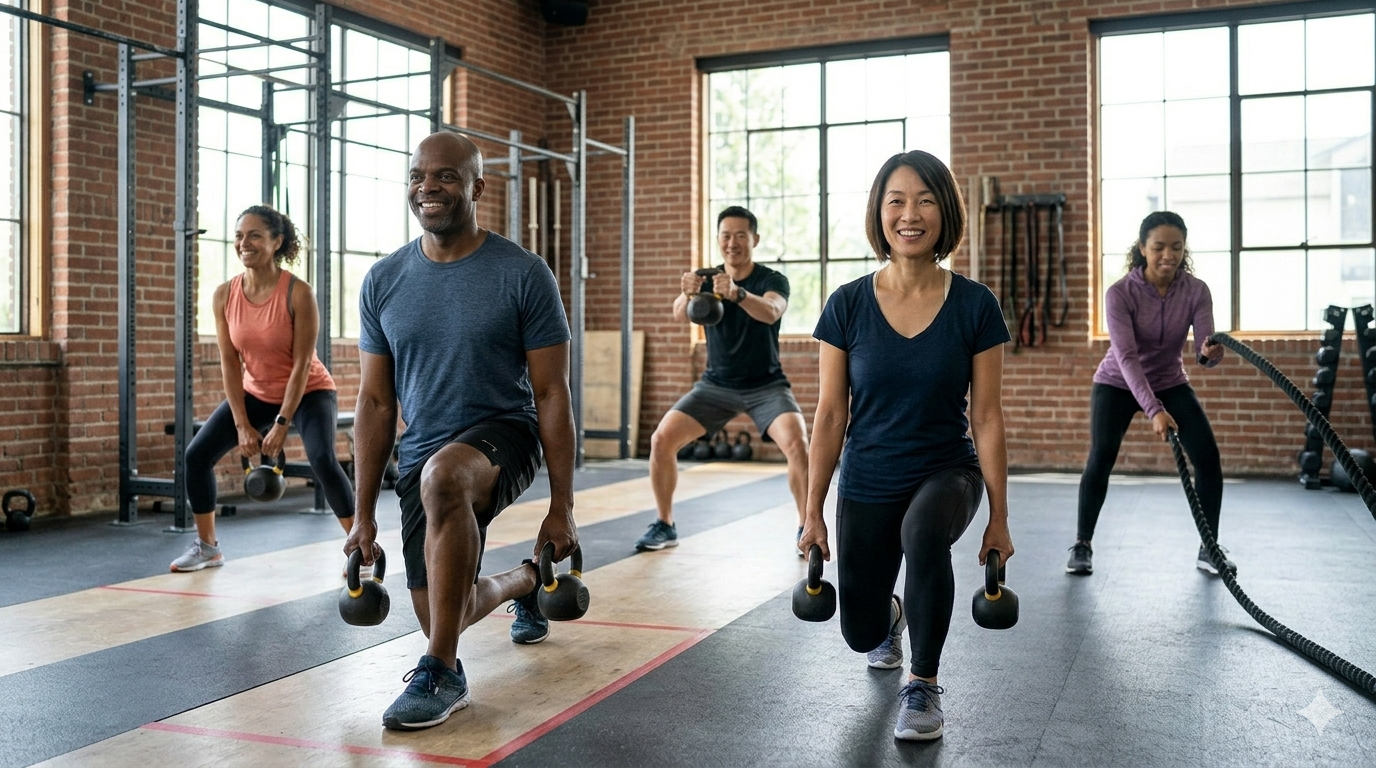
退休多了時間,身體也要有餘力,讓想去的地方成為走得到的地方。
退休清單可以寫得很精彩:去日本住一個月、平日行山、學打匹克球,旅行時不用趕着回香港上班。然而,一趟旅程還包括拖行李、轉車、上落樓梯,以及連續幾天步行。放在香港的日常,也可能只是提着餸菜上樓、從小巴座位起身,或陪家人多走一段路。時間和預算準備好了,身體能否跟上,同樣決定退休生活有多少選擇。
終身體能訓練,是把規律運動延續到不同人生階段,按健康、能力和生活需要調整內容。它包括帶氧運動、肌力訓練,以及按需要加入平衡、活動度和動作練習。課表可以隨工作、照顧家人、退休或康復而改變;保留足夠體力參與想做的事情,則是貫穿其中的方向。
為甚麼50歲後要練體能?為生活留下體力餘裕
一星期跑多少公里、啞鈴要有多重,未必是開始時最有用的問題。想旅行時走得自在,便需要能持續活動的心肺能力;想自己買餸、搬動行李和從低椅起身,肌力便不能長期缺席;想在不平路面轉身、下樓梯,也涉及平衡和步伐控制。同一個「健康退休」願望,背後可以有不同的訓練需要。
世界衞生組織談健康老化時,重視的是人能否維持有價值的生活和功能能力,並沒有要求到了某個年齡必須完全沒有疾病。身體狀況、居住環境和身邊支援都會影響生活;運動能處理其中一些可訓練的能力,卻不能代替所有醫療、環境或照顧需要。[1]
即使沒有明顯疾病,老化亦可能伴隨肌肉量、力量和功能的下降,長期缺乏活動又會加重部分問題。美國肌力與體能協會的立場文件指出,適當阻力訓練有助對抗肌肉少用所帶來的衰退,並改善部分日常功能。[2] 因此,50歲後值得把肌力放進長期安排;50這個數字並不是身體突然轉差的分界線。
所以,50歲、60歲或70歲,不能單獨決定一個人該用甚麼重量、走多快。多年保持運動的人,與長期久坐、最近才重新開始的人,需要不同起點。先了解目前做得到甚麼,再找出生活最需要補強的部分,比照抄一張標榜「中年必做」的課表更有意義。
體力餘裕,就是完成日常事情後,仍有餘力應付多一點活動。平日剛好走完一段路,旅行時遇上斜路、行李和連續幾天行程,便可能吃力。讓熟悉的活動較從容,為較長的行程留下餘力,是一個實用的規劃方向;它並非臨床分數,也沒有一個通用測試能證明身體已準備好應付所有旅程。
心肺、肌力、平衡與活動度,各自負責甚麼?
體能有不同面向。每天步行值得保留,但步數不能完整代表上肢力量;伸展讓某些動作較容易完成,也不等於已給肌肉足夠負荷。香港衞生署的長者體能活動建議,亦把帶氧、強化肌肉及平衡訓練分開說明,強調合適配搭。[3]
以下對照用來把生活目標轉成訓練方向,並非疾病測試,也不表示每項活動只有一種作用。行山本身就可能同時需要心肺、下肢力量和平衡;哪一環較不足,才是安排補充練習時值得留意的地方。
想保留的生活能力,可以怎樣練?
- 旅行行得遠心肺與耐力
-
以合適強度的快步行、健身單車或游泳累積活動時間;觀察同一路程的喘氣程度、停頓次數和活動後的餘力。
- 起身、提物較從容全身肌力
-
安排坐站或蹲、推、拉及髖部動作,按能力使用自身重量、彈力帶或器械;讓主要肌肉群都有適當挑戰。
- 轉身、踏步較穩定平衡與動作控制
-
在穩固支撐旁練習重心轉移、不同站姿和受控踏步;有跌倒或站立困難的人,需要先評估及合適協助。
- 穿鞋、伸手較自在活動度
-
針對日常受限制的動作,練習舒適範圍內的關節活動及控制;伸展可作配搭,持續疼痛則要查找原因。
生活情境對照,非臨床評分。訓練種類參照香港衞生署體能活動建議;具體動作及負荷須按個人能力調整。
研究看到甚麼:行動能力、防跌與長壽
LIFE隨機對照研究招募了1,635名70至89歲、久坐而已有身體功能限制的成年人;他們開始時仍能步行400米。平均追蹤2.6年後,包含帶氧、阻力等內容的運動組,有30.1%出現失去步行400米能力的主要行動障礙,健康教育組則是35.5%,相差5.4個百分點。這是與生活獨立性有關的結果,並非只看體重或運動手錶分數。[4]
不過,這項結果來自特定的高齡、功能受限人群,不能直接套成香港所有50歲人士的預期改善幅度。防跌亦要看練了甚麼:一項納入108項試驗、共23,407人的Cochrane綜合研究,其中可合併的試驗顯示,運動可降低社區長者的跌倒發生率,整體估計約23%;這指一段時間內跌倒事件的減少,並非保證每個人的個人風險同樣下降23%。較明確的支持集中在平衡及功能練習,不能把一般散步直接當作完整防跌訓練。[5]
至於「運動一定令人多活多少年」,研究沒有那麼整齊。Generation 100研究追蹤1,567名70至77歲成年人五年,把兩個有組織運動組合併後,未發現總死亡率較按活動指引生活的對照組有顯著差異;對照組本身也有活動,並非完全不運動。這既不能解讀成運動沒有用,也不足以承諾某一套課表必定延長壽命。[6] 對日常安排而言,能否走得更從容、保留力量和持續參與生活,是較容易觀察的成果。
一星期要做多少?帶氧時間與肌力日數分開計
香港衞生署按世衞指引建議,健康成年人每星期累積150至300分鐘中等強度帶氧活動,或75至150分鐘劇烈強度活動,亦可作相等份量的混合安排;另外,每星期至少兩天進行涵蓋主要肌肉群的肌力活動。65歲及以上人士,還應每星期至少三天加入着重平衡和力量的多元素活動。[7][8]
這些是逐步接近的活動目標,原本幾乎沒有運動的人,先由較短時間和較輕強度開始,也有價值。150分鐘是一星期的累積時間,肌力至少兩天是另一項安排。兩次重量訓練不能只因合共做了150分鐘,便直接當成完成帶氧目標;同樣,步行很多,也未必已讓全身主要肌肉群得到足夠負荷。
「中等強度」也不能只看有沒有出汗。較容易使用的是談話測試:活動時呼吸加快,仍能交談,但不容易唱歌,通常接近中等強度;如果只能說幾個字便要換氣,通常屬較高強度。[9] 同一段斜路,對不同體能的人可以是不同負荷;香港天氣炎熱,即使走得慢也可能出很多汗,汗量不適合作為訓練強度的唯一標準。
50歲後肌力訓練,怎樣由家居開始?
肌力訓練可以從簡單器材開始。美國運動醫學會的阻力訓練證據整合,支持多種方式改善肌肉功能,包括自身重量、彈力帶和家居訓練;對一般健康成年人而言,沒有必要把複雜課表或每組做到完全無力,視為有效訓練的入場條件。這份建議以健康成年人為對象,不能直接取代術後、明顯衰弱或特定疾病人士的復康處方。[10]
對能安全自行活動的初學者,坐站是一個容易理解的起點:選用高度合適、放穩並靠牆的椅子,練習受控起身和坐下;需要扶手協助的人,應使用合適支撐或接受指導,不必硬追不用手的版本。之後可按能力加入牆身或高檯掌上壓、正確固定彈力帶的划船,以及扶着穩固支撐的提踵。這些是動作選擇的例子,並非所有人都適用的一套處方。
坐站和蹲主要照顧下肢,推與拉補上胸、肩、手臂和背部;髖部及軀幹的控制也應納入。整體安排要涵蓋主要肌肉群,不能只把最熟悉的一個動作重複很多次。若器材固定、動作路徑或負荷拿不準,合資格教練或物理治療師的示範,比照着短片自行猜測更有用。
美國疾控中心提供的常見安排,是每個動作約8至12次作一組,先做至少一組,按能力再增加到兩至三組。[11] 初學時仍須以動作穩定、自然呼吸和沒有不適為先;重量太輕而每次都毫不費力,與重到需要扭身、憋氣才能完成,都是調整負荷的線索。次數是一個起點,不能代替對動作和身體反應的觀察。
選擇健身室或教練時,可留意對方是否先了解活動限制、示範動作、調整起步負荷,並留下能重複比較的紀錄。一次課堂令人疲倦,不足以說明課表是否合適;也不用因器械名字陌生,便把訓練全部交給一套固定套餐。明白每個練習為何出現在課表裡,日後在家、旅行或轉換場地時,也較容易延續。
一週安排:行山和球類有位置,恢復也有位置
方案A是規劃示例,假設參與者健康狀況適合、已有連續30分鐘中等強度活動的能力:星期一、二、四、五、六,各累積30分鐘中等強度帶氧活動;星期二、五另安排全身肌力,星期三、日留作休息或輕鬆活動。五次30分鐘合共150分鐘,兩天肌力另外計。帶氧與肌力可以出現在同一天,毋須把它們排成七天不同的課堂。
65歲及以上人士,可在適合的日子配搭着重平衡與力量的多元素活動,逐步接近每星期至少三天的建議。帶氧時間也可以分段累積,例如把一次30分鐘拆成兩段15分鐘。較吃力的行山路線或球賽,則要連同前後訓練考慮;日曆寫了「運動」,並不代表每一課都要練到疲倦。
方案B是重新起步的示例,假設參與者可安全自行活動,但長期少運動:可先試每次5至10分鐘舒適步行,另留兩個日子學習少量合適的肌力動作,記下完成份量及身體反應。適應後,再逐步增加活動時間和挑戰。這是示範怎樣縮小起步份量,沒有指定幾星期必須升級;如果短時間步行已有明顯不適或困難,應先接受評估。
匹克球、行山或HYROX可以提供興趣和參與目標,但活動名稱本身不代表已補足所有體能。球場等候的時間不全是帶氧活動,周末一場高強度活動亦不會自動照顧所有主要肌肉群。匹克球與HYROX的中年、退休運動安排可協助比較不同活動需求;已有心肺基礎、希望再作進階的人,也可了解挪威4×4間歇訓練的強度與恢復安排,但高強度間歇毋須成為每名初學者的起點。
訓練何時加量?用動作和恢復判斷
一套課表做了幾星期,不代表一定要加重。先看原有動作能否穩定完成、負荷是否明顯變容易,以及下一次訓練前是否恢復良好。符合這些條件時,可只增加一項挑戰,例如多走幾分鐘、加少量阻力,或多做一組;同時增加速度、重量、時長和頻率,便較難看清哪項變化造成過度疲勞。
以方案B的坐站作說明,假設原本每組8次已做得穩定,可先試增加至10次,再觀察動作和恢復,而非立即改用更低椅子、加負重又加組數。這兩個次數只是說明逐步增加的方法;若最後幾次已出現明顯代償、疼痛或不適,便應調整。進階的依據是目前反應,沒有一個適合所有人的每週加量百分比。
生活忙碌或訓練中斷時,保留較短的活動版本,有助重新接回原有節奏。一次旅行、照顧家人或患病後,不必從過往最好成績重新起步;先按當下狀況降低份量,再觀察反應。運動後痠痛也不宜當作每課成效的排名,伸展、肌肉痠痛與恢復需要分開理解。
在香港,天氣和場地也屬於安排的一部分。過熱、下雨、路面濕滑或空氣質素欠佳時,改用室內活動較合適;平衡練習應放在光線充足、有穩固支撐的位置。若有慢性疾病、近期受傷、運動時曾不適或不確定能否增加強度,宜先諮詢醫護。運動期間出現胸口不適、頭暈或不尋常呼吸困難,應立即停止;持續、嚴重或惡化的症狀須及時求醫。[12]
成效怎樣看?留下日常能力的紀錄
紀錄可以很簡單:每次寫下活動、時間或組數、當時感覺,以及下一天是否影響日常。每月再選一兩項相近條件下的表現比較,例如同一路線的停頓次數、同一動作的次數和負荷,或行完山後的餘力。路線斜度、天氣、負重和身體狀況會改變難度,註明這些條件,才較容易理解一次表現的差異。
30秒坐站測試與香港參考值提供一種觀察下肢功能的方法,但椅高、手臂使用及測試程序須保持一致,不能把一次分數當作肌少症或其他疾病的診斷。年長後能維持原有能力,也可能是有意義的成果;如果步行、起身或平衡持續變差,則需要查找原因,不能一概歸咎於年紀。
退休與FIRE:讓一週有值得出門的事情
準備FIRE或提早退休,常會先計算資產和開支;離開全職工作後,原有的時間結構也會改變。運動可以是一個固定安排:平日早上走一條熟悉路線,每星期留兩個時段做肌力,或與朋友約好打一場球。這是生活規劃的一種選擇,並非所有退休人士都需要同樣的社交或競賽目標。
喜歡與人同行,可以把活動和相聚放在一起;偏好獨處,也能用步行、家居訓練或游泳建立節奏。規律活動對身心健康有益,但快樂退休還涉及關係、睡眠、生活安排及個人的意義感,不能要求一項運動解決所有問題。情緒困擾持續或影響生活時,運動亦不能代替需要的專業協助。[13]
把課表做得方便,也有實際價值:正常日子用完整安排,忙碌日子保留較短版本,下雨則轉到室內。準備去日本long stay,也可先找好附近適合步行的路線,考慮帶一條懂得安全使用的彈力帶。這些是維持習慣的規劃例子;不用每次轉換生活環境,就把訓練全部停下,再等回香港重新開始。
50歲後運動的常見問題
每日行一萬步,還需要肌力訓練嗎?
需要留意肌力是否另有安排。步數反映活動的一部分,不能完整代表運動強度,也不能確認背、胸、肩和手臂獲得足夠刺激。官方指引把帶氧和肌力分開列出;即使每天步行很多,仍值得保留涵蓋主要肌肉群的肌力活動。
60歲或70歲才開始,會否太遲?
高齡本身不表示已沒有訓練價值,LIFE研究亦顯示部分已有功能限制的高齡人士可以受益。不過,起點要配合目前能力及健康;有站立困難、反覆跌倒或近期明顯退步的人,先接受評估和指導,比直接跟完整初學者課表更合適。
50歲後是否應停止跑步或間歇訓練?
年齡不能單獨作決定。已有訓練基礎、健康狀況合適的人,與久未運動的人需要不同安排;劇烈強度是活動指引容許的選項,並非人人必須追求。開始新活動或增加強度前,應連同症狀、既往傷患及恢復情況考慮。
沒有健身室會籍,能否有效訓練?
可以。自身重量、彈力帶和家居訓練都有應用價值,器材只是施加負荷的不同方式。動作是否安全、負荷是否合適、能否逐步增加挑戰和持續參與,比會籍本身更有參考價值;需要操作或動作指導時,則應尋求合資格人士協助。
先排好下一週,再把能力帶到下一個十年
終身體能訓練要回到生活:希望走得遠、提得起、站得穩,便讓心肺、肌力和平衡各有位置。50歲後從目前能力起步,留下紀錄,按動作與恢復增加挑戰,課表才有機會跟着工作、旅行和退休延續。
研究支持運動改善部分功能與行動能力,並不保證長壽或永不跌倒。下一步可以是選定一項想保留的生活能力,在一週內留出合適的帶氧和肌力時段,先做到能持續,再逐步為想過的退休生活留下更多餘力。
參考資料
- World Health Organization. Healthy ageing and functional ability. 2020。健康老化與功能能力的定義。
- Fragala MS, Cadore EL, Dorgo S, et al. Resistance Training for Older Adults: Position Statement From the National Strength and Conditioning Association. Journal of Strength and Conditioning Research. 2019;33(8):2019–2052. DOI: 10.1519/JSC.0000000000003230。NSCA提供的完整文件。
- 香港衞生署,長者健康服務。長者體能活動計劃指南。帶氧、強化肌肉、平衡練習及安全進階。
- Pahor M, Guralnik JM, Ambrosius WT, et al. Effect of structured physical activity on prevention of major mobility disability in older adults: the LIFE study randomized clinical trial. JAMA. 2014;311(23):2387–2396. DOI: 10.1001/jama.2014.5616。亦可查閱美國國家老化研究所的研究摘要。
- Sherrington C, Fairhall NJ, Wallbank GK, et al. Exercise for preventing falls in older people living in the community. Cochrane Database of Systematic Reviews. 2019;(1):CD012424. DOI: 10.1002/14651858.CD012424.pub2。
- Effect of exercise training for five years on all cause mortality in older adults—the Generation 100 study: randomised controlled trial. BMJ. 2020;371:m3485. DOI: 10.1136/bmj.m3485。
- 香港衞生署,活出健康新方向。成年人士(18至64歲)體能活動指引。帶氧活動、肌力活動、減少久坐及循序漸進的建議。
- 香港衞生署,活出健康新方向。長者(65歲及以上)體能活動指引。包括每週至少三天着重平衡及力量的多元素活動。
- Centers for Disease Control and Prevention. How to Measure Physical Activity Intensity. 2025。相對強度、談話測試與活動強度的解讀。
- American College of Sports Medicine. Resistance Training Prescription for Muscle Function, Hypertrophy, and Physical Performance in Healthy Adults: An Overview of Reviews. Medicine & Science in Sports & Exercise. 2026;58(4):851–872. DOI: 10.1249/MSS.0000000000003897。另見ACSM官方重點說明。
- Centers for Disease Control and Prevention. What Counts as Physical Activity for Older Adults. 2025。肌力活動、組數及重複次數的例子。
- 香港衞生署,長者健康服務。長者運動安全的一般提示。身體警號、場地、天氣、呼吸和運動安全。
- World Health Organization. Physical activity。體能活動的身心健康裨益及減少久坐。