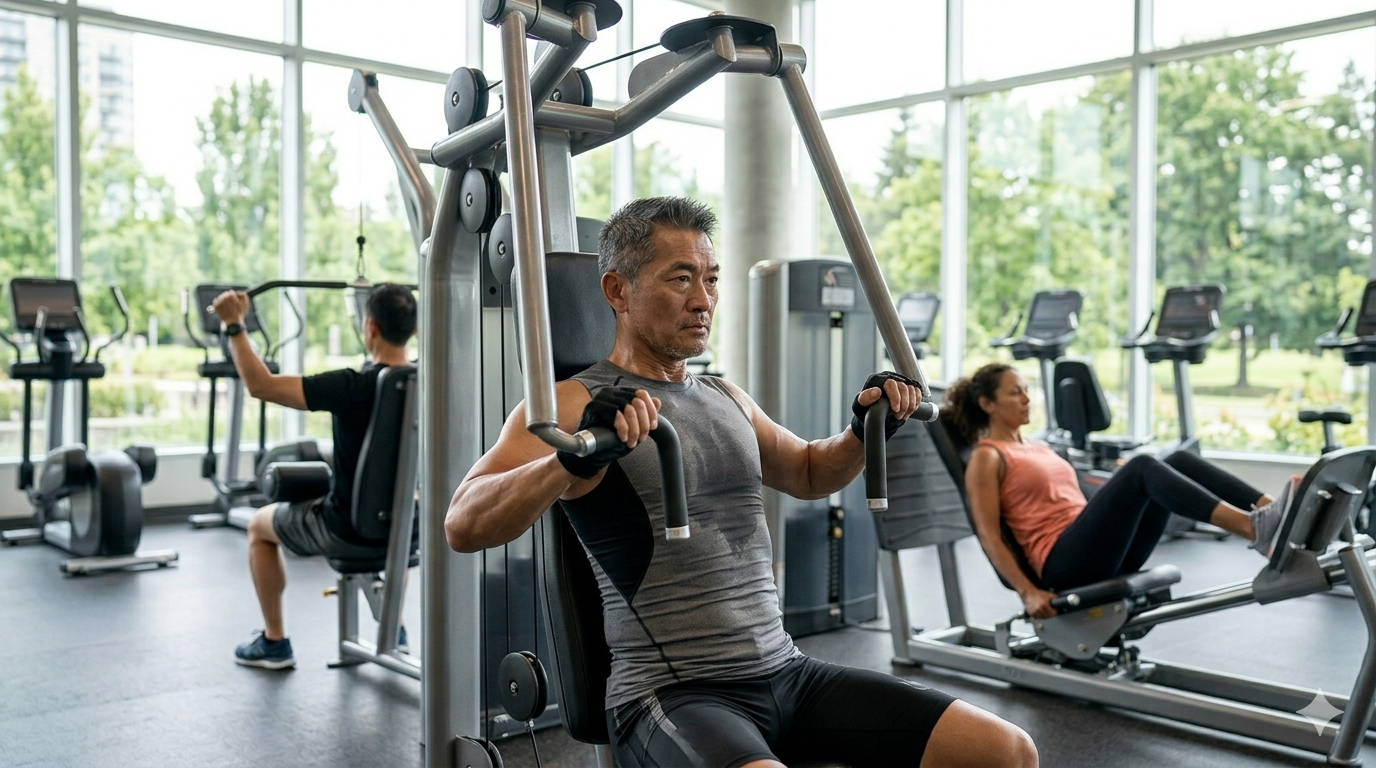
As we age, maintaining strength and physical resilience becomes increasingly important. Strength training is an effective way for seniors to enhance their vitality, improve mobility, and manage health conditions. This article explores the benefits of strength training for older adults, suitable exercises, and essential safety tips.
The Importance of Strength Training for Seniors
Engaging in regular strength training offers numerous benefits, including:
- Improved Muscle Mass: Aging often leads to muscle loss. Strength training helps counteract this decline.
- Enhanced Bone Density: Resistance exercises increase bone density, reducing the risk of fractures.
- Better Balance and Stability: Strength training improves coordination, which can help prevent falls.
- Increased Metabolism: Building muscle boosts metabolic rate, aiding in weight management.
- Improved Mood and Mental Health: Physical activity releases endorphins, which can alleviate symptoms of anxiety and depression.
Effective Strength Training Exercises
Seniors should focus on safe, effective exercises that can be done at home or in a gym. Here are some recommended strength training exercises:
1. Chair Squats
Stand in front of a chair, lower yourself as if you’re going to sit down, then rise back up. This exercise strengthens the legs and improves balance.
2. Wall Push-Ups
Stand at arm’s length from a wall, place your hands on the wall, and perform push-ups. This builds upper body strength and is easier on the joints.
3. Resistance Band Rows
Using a resistance band, secure it at a low point and pull towards yourself. This exercise strengthens the back and shoulders.
4. Leg Raises
Sit on a chair and extend a leg out, holding it straight for a few seconds. This targets the hip flexors and quadriceps.
Safety Tips for Strength Training
Before starting any exercise regimen, seniors should consider the following safety tips:
- Consult a Doctor: Always discuss any new exercise program with a healthcare provider, especially if you have existing health conditions.
- Start Slow: Begin with lighter weights or resistance to avoid injury.
- Listen to Your Body: If you feel pain or discomfort, stop the exercise immediately.
- Stay Hydrated: Drink water before, during, and after workouts.
- Include Warm-Up and Cool Down: Take time to warm up before exercising and cool down afterward to avoid soreness.
Conclusion
Strength training is a powerful tool for seniors to enhance their health, resilience, and quality of life. By incorporating safe and effective exercises into their routine, older adults can maintain their independence and enjoy a more active lifestyle. Embrace strength training as the key to building vitality and resilience in the golden years!