Introduction
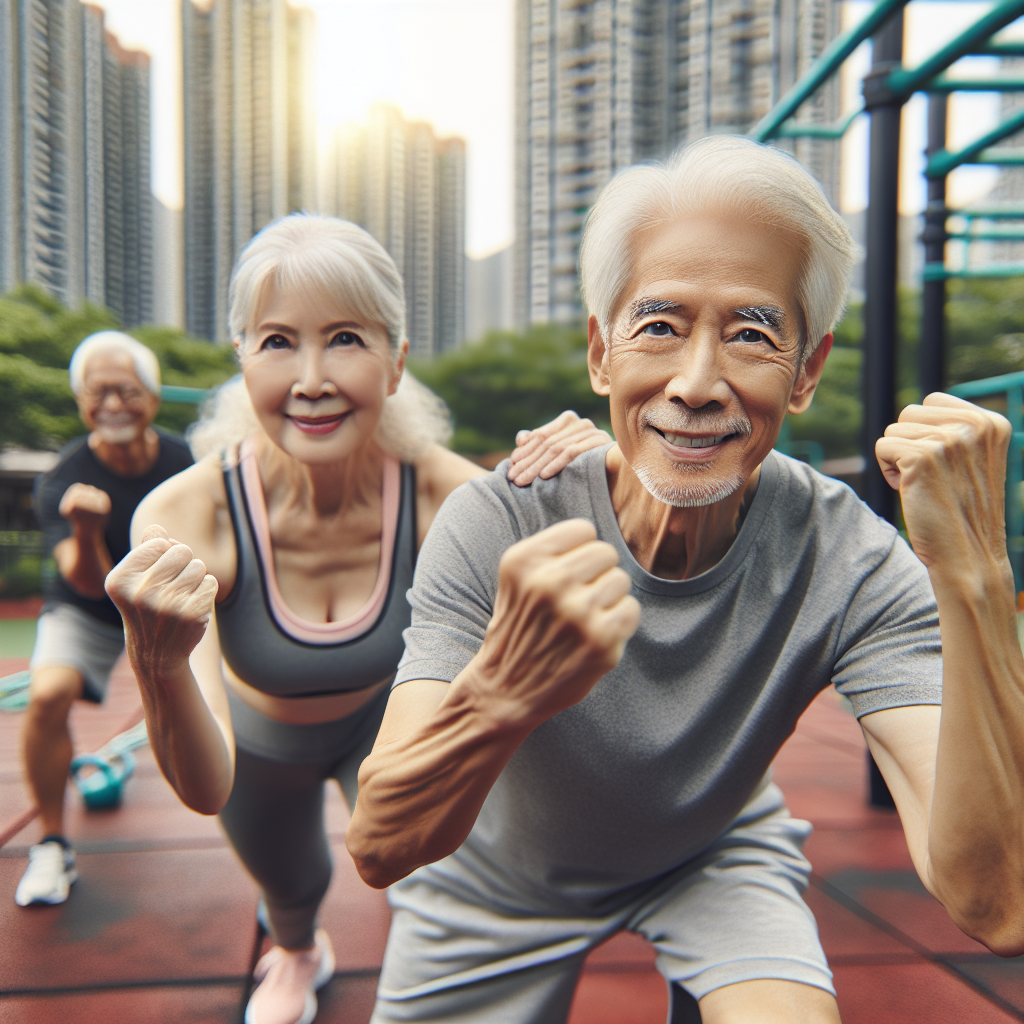
As we age, maintaining physical activity becomes essential for preserving our health and well-being. Active aging exercise programs are designed not only to enhance physical fitness but also to improve mental health and social engagement. This article explores the significant benefits these programs offer to older adults.
1. Physical Health Benefits
Regular exercise helps in managing weight, reducing the risk of chronic diseases like heart disease and diabetes, and improving mobility and flexibility. Active aging programs often include a combination of cardiovascular, strength, and flexibility training tailored to the needs of older adults.
2. Mental Health Improvement
Physical activity is linked to improved mental health, reducing symptoms of anxiety and depression. Exercise releases endorphins, which can enhance mood and boost cognitive function. Active aging programs often incorporate social elements, promoting interaction and reducing feelings of loneliness.
3. Social Engagement
Participating in group exercise classes fosters camaraderie and can help form new friendships. Social engagement is crucial for mental health, providing support systems and enhancing the overall quality of life.
4. Improved Balance and Coordination
Many active aging programs focus on exercises that improve balance and coordination, reducing the risk of falls—a common concern for older adults. Better balance translates into greater independence and confidence in daily activities.
5. Greater Independence
By maintaining physical fitness, older adults can manage daily tasks more easily, thus enhancing their independence. Exercise programs tailored for seniors can help individuals stay active longer and maintain a higher quality of life.
Conclusion
Active aging exercise programs are pivotal for promoting a healthy, vibrant lifestyle in older adults. By prioritizing physical activity, seniors can unlock vitality, experience improved health, and enjoy a fulfilling life filled with connections and engagement.
