Introduction
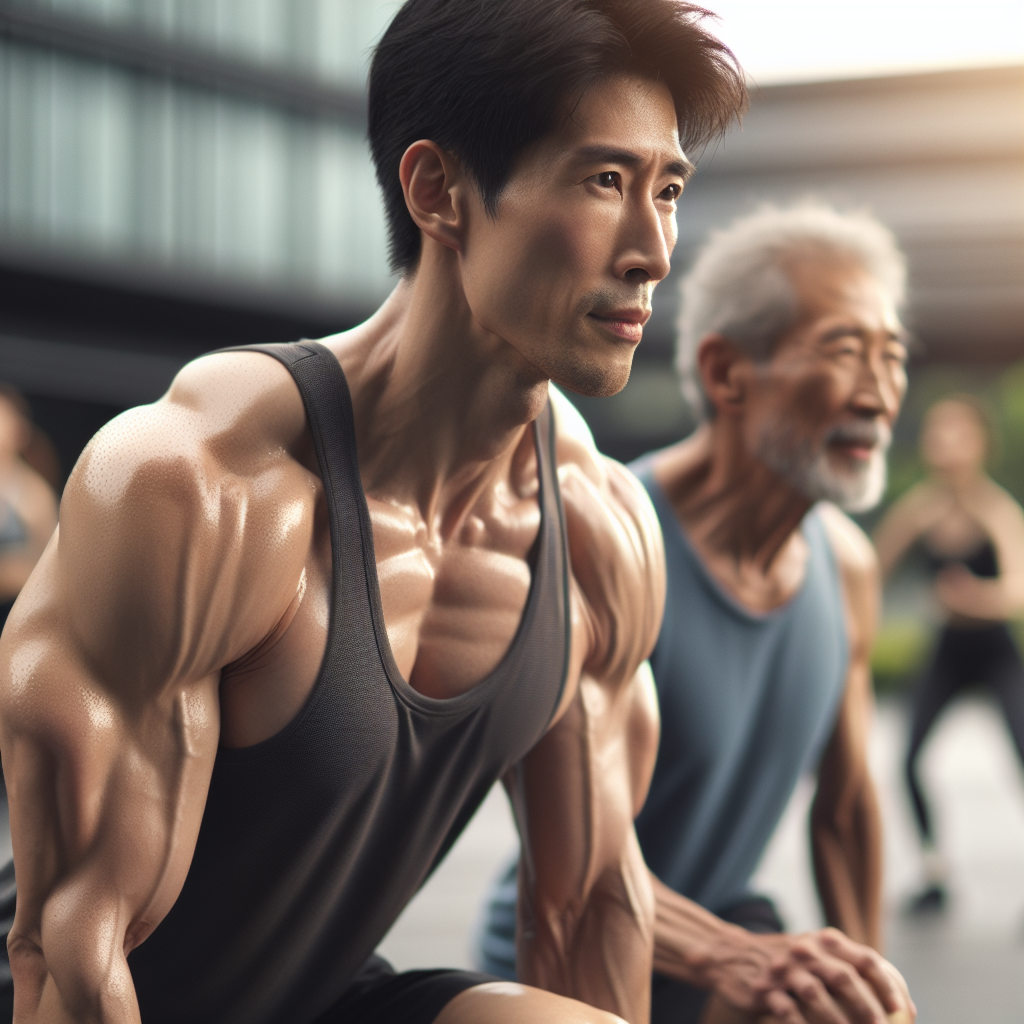
As people age, maintaining an active lifestyle becomes crucial for promoting overall health and well-being. Active aging programs are designed to help senior citizens engage in physical activities that cater to their abilities and preferences. This article explores how these programs enhance the quality of life for older adults.
The Importance of Active Aging
Studies show that regular physical activity can lead to numerous benefits for older adults, including:
- Improved cardiovascular health
- Enhanced muscle strength and balance
- Better mental health and cognitive function
- Increased social interaction and reduced feelings of isolation
Components of Successful Active Aging Programs
Effective active aging programs typically include:
- Physical Exercise: Tailored activities such as walking clubs, yoga, and strength training.
- Educational Workshops: Topics on nutrition, health management, and mental wellness.
- Social Engagement: Opportunities for interaction through group exercises, clubs, and events.
Real-Life Success Stories
Many communities have reported significant improvements in the lives of seniors who participate in active aging programs. For instance:
“Participating in the Silver Sneakers program has helped me regain my strength and made me feel part of a community again!” – Mary, 67
Conclusion
Active aging programs offer invaluable opportunities for seniors to improve their quality of life through physical activity, social engagement, and lifelong learning. By encouraging seniors to move, these programs empower them to thrive during their golden years.
