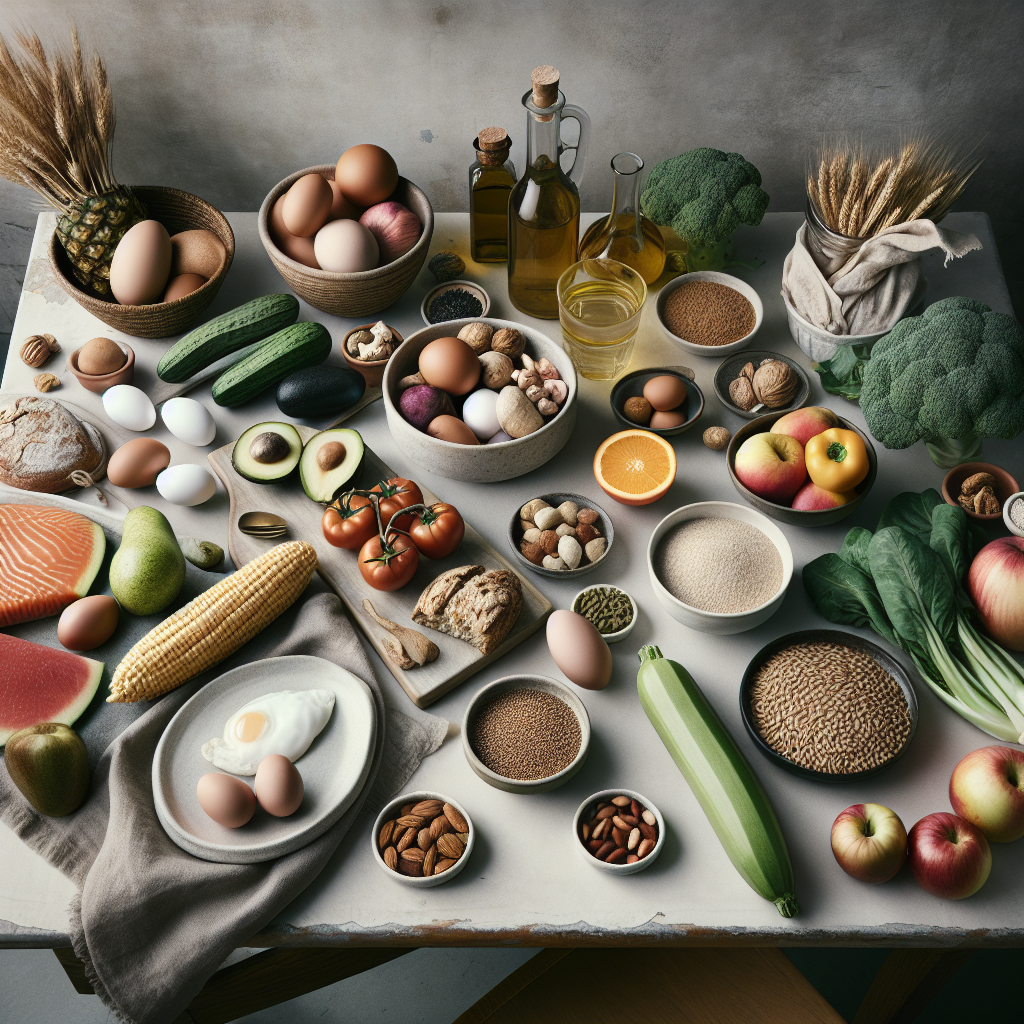
The Importance of Nutrition in Athletic Performance
Fueling your body with the right nutrients is crucial for achieving and maintaining peak athletic performance. Nutrition not only impacts your athletic abilities but also your recovery time and overall health.
Key Nutrients for Athletes
To optimize your diet, focus on the following essential nutrients:
- Carbohydrates: The primary energy source for athletes. Include whole grains, fruits, and vegetables.
- Proteins: Vital for muscle repair and growth. Opt for lean meats, fish, eggs, and plant-based sources like beans and legumes.
- Fats: Important for long-term energy and overall health. Incorporate healthy fats from sources like avocados, nuts, and olive oil.
- Vitamins and Minerals: Support various bodily functions. A colorful diet rich in fruits and vegetables helps ensure you get the necessary vitamins and minerals.
Timing Your Meals
Meal timing plays a significant role in performance. Consider the following:
- Pre-Workout: Eat a balanced meal containing carbohydrates and protein 2-3 hours before exercising. A banana with almond butter or yogurt and fruit can work well.
- Post-Workout: Focus on recovery by consuming protein and carbohydrates within 30 minutes of finishing your workout. This helps with muscle recovery and glycogen replenishment.
Hydration Matters
Staying hydrated is crucial for peak performance. Dehydration can lead to fatigue and diminished performance. Aim to drink water throughout the day, and consider electrolyte drinks for longer workouts.
Supplements: Do You Need Them?
While most athletes can meet their nutritional needs through a balanced diet, some may benefit from supplements. Common supplements include:
- Protein Powders: Convenient for post-workout recovery.
- Creatine: Can enhance strength and muscle mass.
- BCAAs: May help reduce muscle soreness.
Consult a healthcare or nutrition professional before starting any supplementation.
An Example Meal Plan
Here’s a sample meal plan for a day of optimal athletic nutrition:
- Breakfast: Oatmeal topped with berries and a scoop of protein powder.
- Lunch: Grilled chicken salad with mixed greens, nuts, and vinaigrette.
- Snack: Greek yogurt with honey and a banana.
- Dinner: Quinoa, steamed broccoli, and salmon.
- Evening Snack: Cottage cheese with sliced peaches.
Conclusion
Optimizing your diet is a fundamental component of reaching your athletic goals. Fuel your body with the right nutrients, stay hydrated, and consider meal timing to enhance your performance. Remember, always consult with a nutritionist to tailor a plan that works best for your specific needs.
