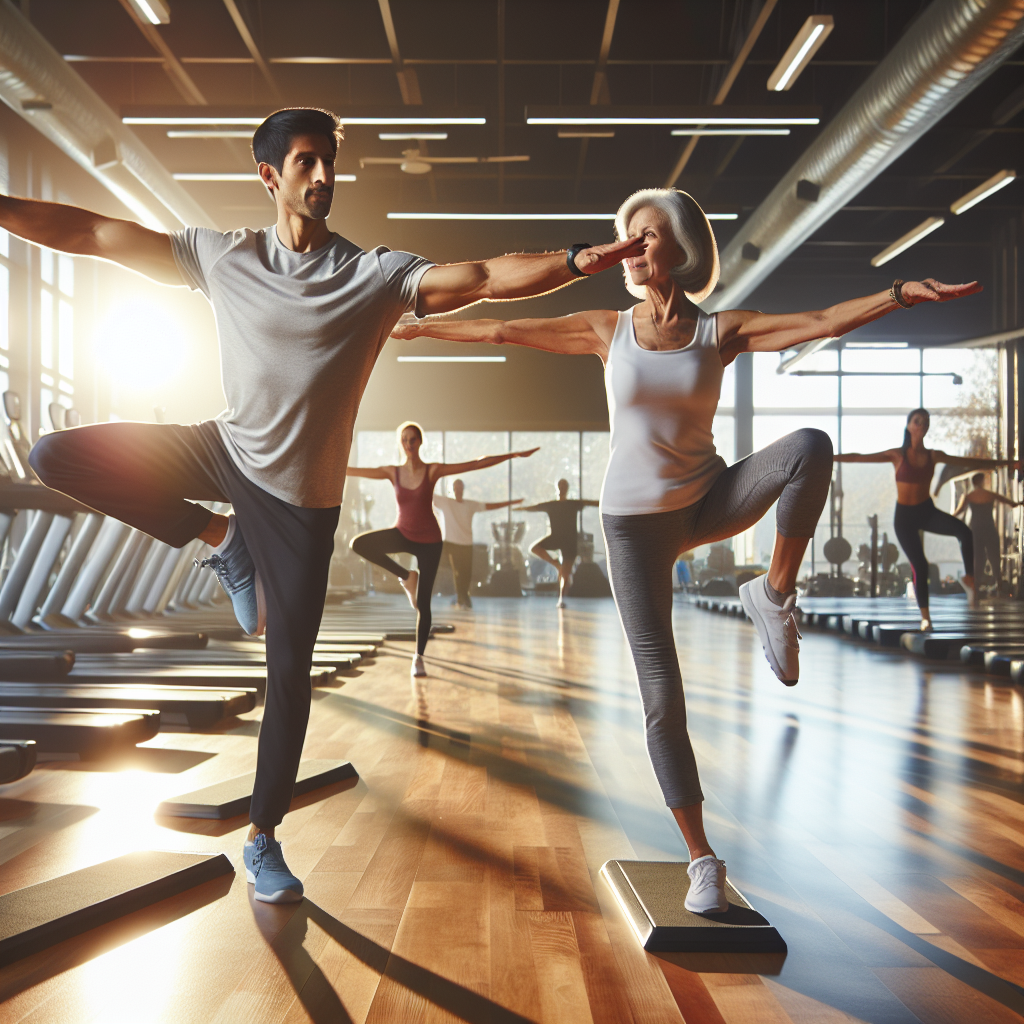
As we age, maintaining fitness and overall wellbeing becomes increasingly crucial for leading a vibrant and fulfilling life. “Fit for Life” is more than just a slogan; it’s a lifestyle choice that can enhance both physical and mental health in seniors. This guide will explore various aspects of fitness tailored specifically for older adults.
Understanding Senior Fitness
Senior fitness refers to exercises and activities that promote health and wellbeing in older adults. It is essential for:
- Improving cardiovascular health
- Enhancing muscle strength
- Boosting flexibility and balance
- Preventing falls and injuries
- Improving mental health and cognitive function
Creating a Balanced Exercise Routine
A well-rounded fitness regime for seniors should include:
1. Aerobic Exercise
Activities such as walking, swimming, or cycling help improve heart health and endurance. Aim for at least 150 minutes of moderate-intensity aerobic activity each week.
2. Strength Training
Incorporating strength exercises at least twice a week can enhance muscle mass and bone density. Simple exercises like body-weight squats, chair lifts, and resistance bands are effective.
3. Flexibility and Balance
Yoga and stretching exercises can improve flexibility and prevent injuries. Balance exercises, such as tai chi, enhance stability and reduce the risk of falls.
Nutrition for Seniors
Nutrition plays a fundamental role in fitness and wellbeing. Seniors should focus on:
- Hydration: Drink plenty of water throughout the day.
- Balanced Diet: Incorporate fruits, vegetables, whole grains, lean proteins, and healthy fats.
- Vitamins and Supplements: Consult a healthcare provider about any necessary supplements such as Vitamin D or Calcium.
Mental Wellbeing
Mental health is as important as physical health. Engage in activities that stimulate the mind, such as:
- Puzzles and games
- Reading and writing
- Socializing with friends and family
- Meditation and mindfulness practices
Getting Started
Before starting any exercise program, seniors should consult with their healthcare provider. This ensures that the programs are safe and suitable for individual health conditions.
Conclusion
Being fit for life is an attainable goal that requires commitment and engagement in physical and social activities. By prioritizing fitness and wellbeing, seniors can lead healthier, more fulfilling lives.
